
Sample path
Test it in the menu you plan to serve.
Share the use case, choose the product to evaluate, and run a small repeatable test before discussing the wholesale route.
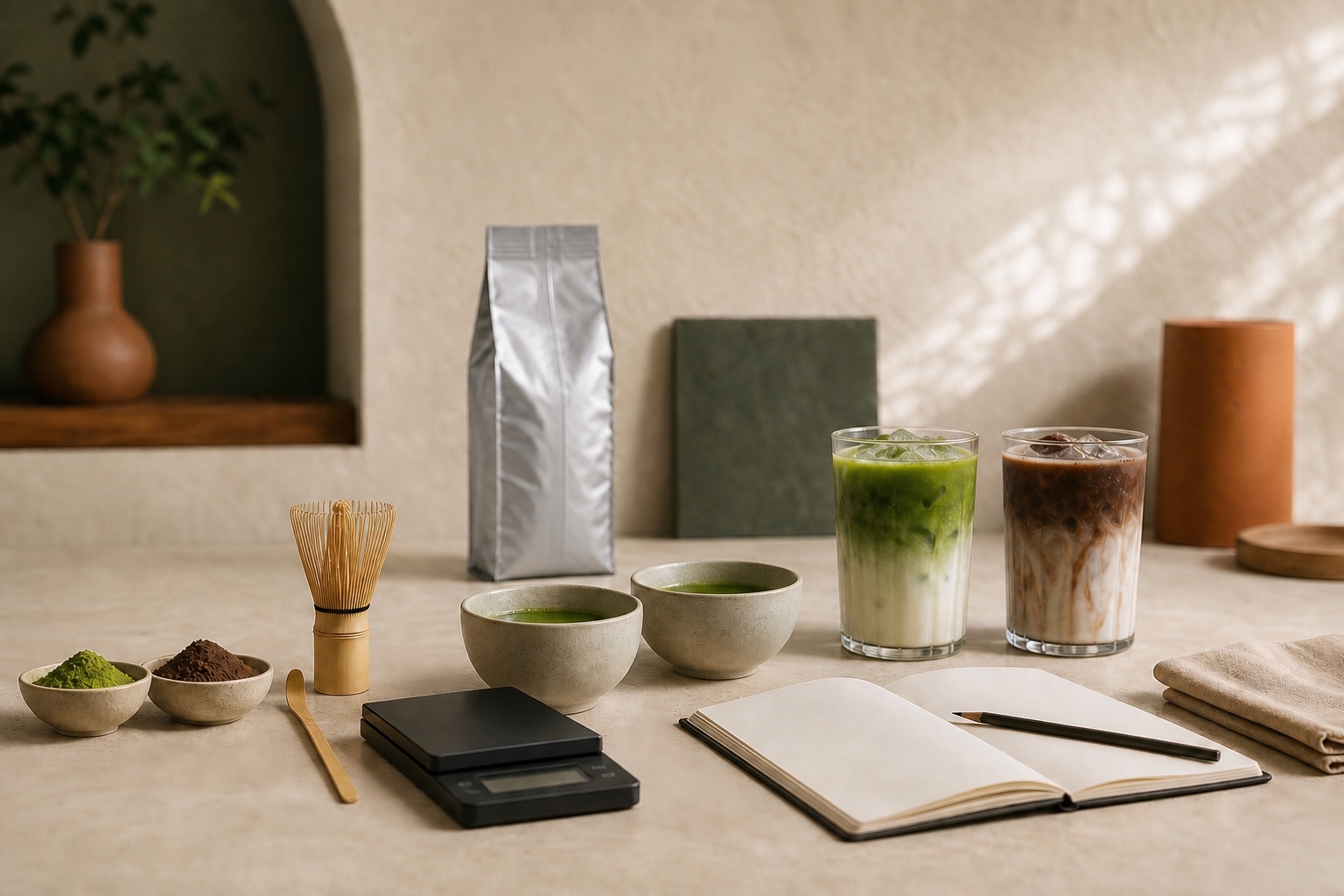
- 01Fit review
- 02Sample plan
- 03Menu test
- 04Wholesale route
A controlled first test
Small enough to repeat. Specific enough to decide.
Keep the test focused on one real menu decision, then record what your team needs before a larger order.
-
01
Tell us the menu.
Share the business type, product interest, intended use, location, volume, and timing.
-
02
Choose the test.
Define the actual milk, base, recipe, batch size, equipment, or service format.
-
03
Repeat the build.
Run it again on another shift or batch so the result is not limited to the first tasting.
-
04
Review next steps.
Record expected usage, storage, timing, documentation needs, and the next wholesale decision.
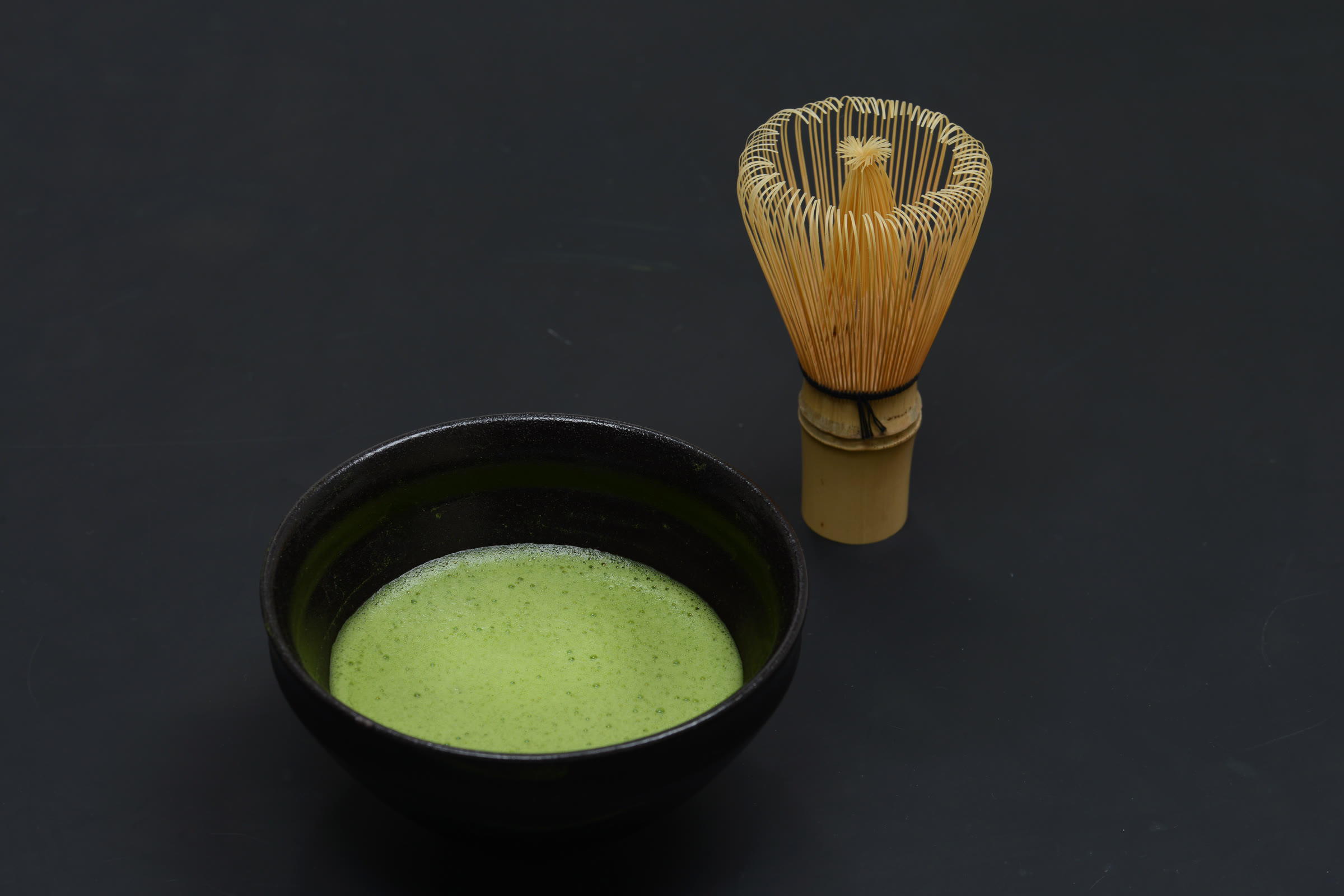
Test the real build
Start simple, then add the menu variables.
Review the tea on its own before milk, sugar, fat, temperature, dilution, or service timing change the finished result.
- Straight whisked preparation
- The actual house recipe
- A repeat on another shift or batch
- Usage and storage notes
Testing protocol
Record what the next order depends on.
- 01
Straight whisked
Review the base tea before the finished recipe adds other variables.
- 02
House build
Use the actual recipe, equipment, batch size, and service sequence.
- 03
Repeat check
Repeat the test outside the first tasting to compare the workflow.
- 04
Reorder constraints
Write down pack size, storage, expected usage, target timing, and documents needed.
Ready to test
Give the sample one clear job.
Tell us the product, menu use, expected volume, location, and target timing.