Applications

Choose use case before product.

The same tea can behave differently in milk, pastry, cold service, and guest tea formats. Start with the menu job.

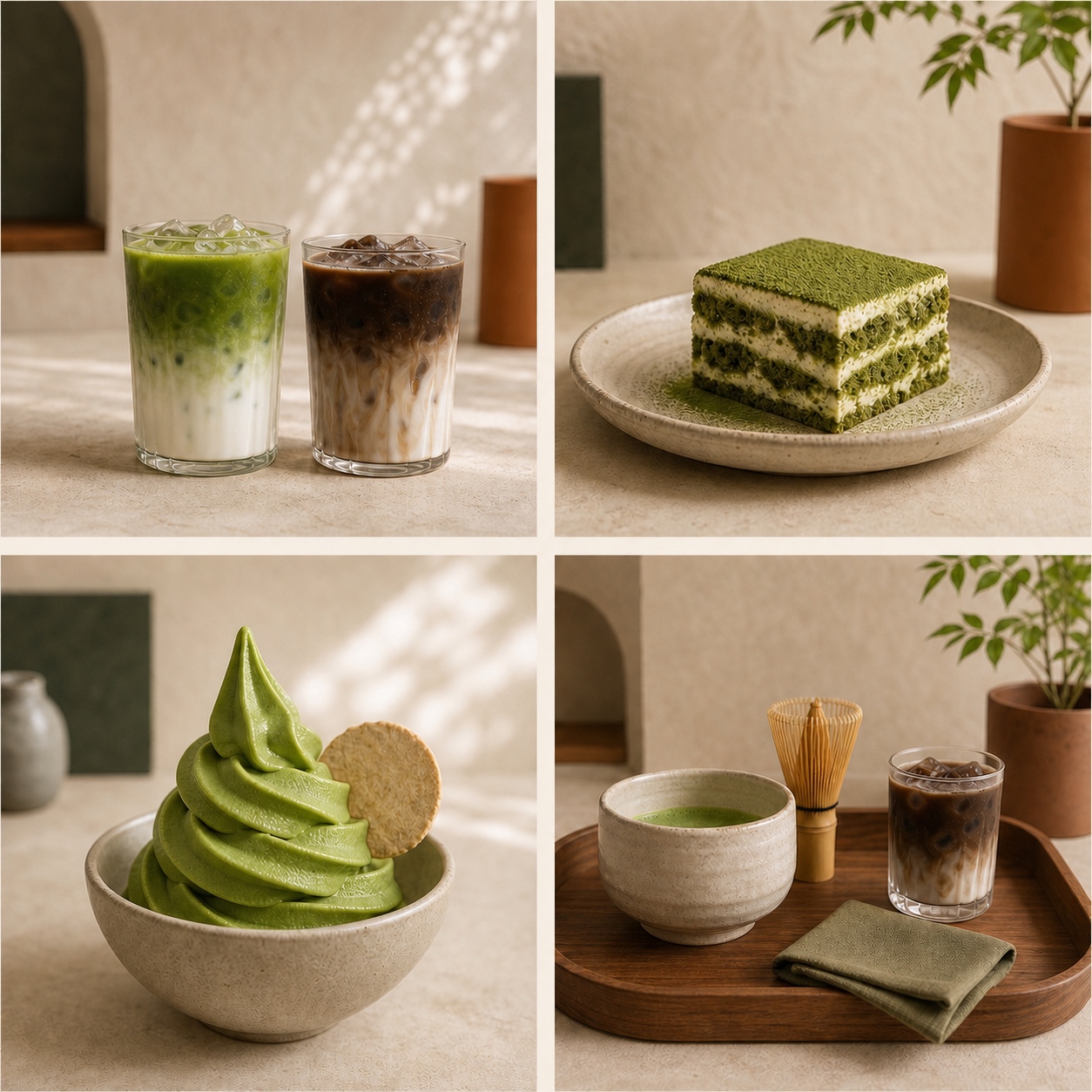
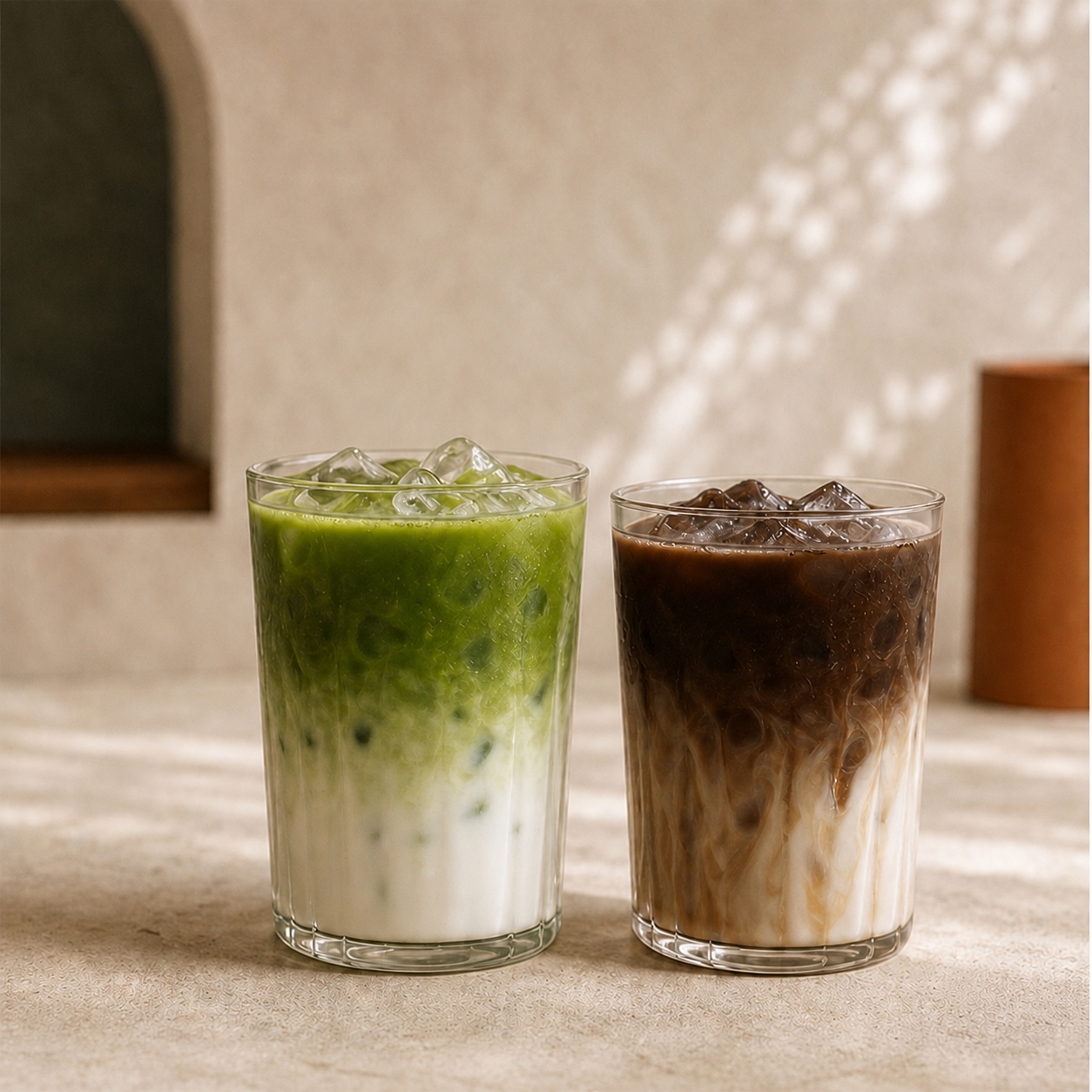
Cafe lattes

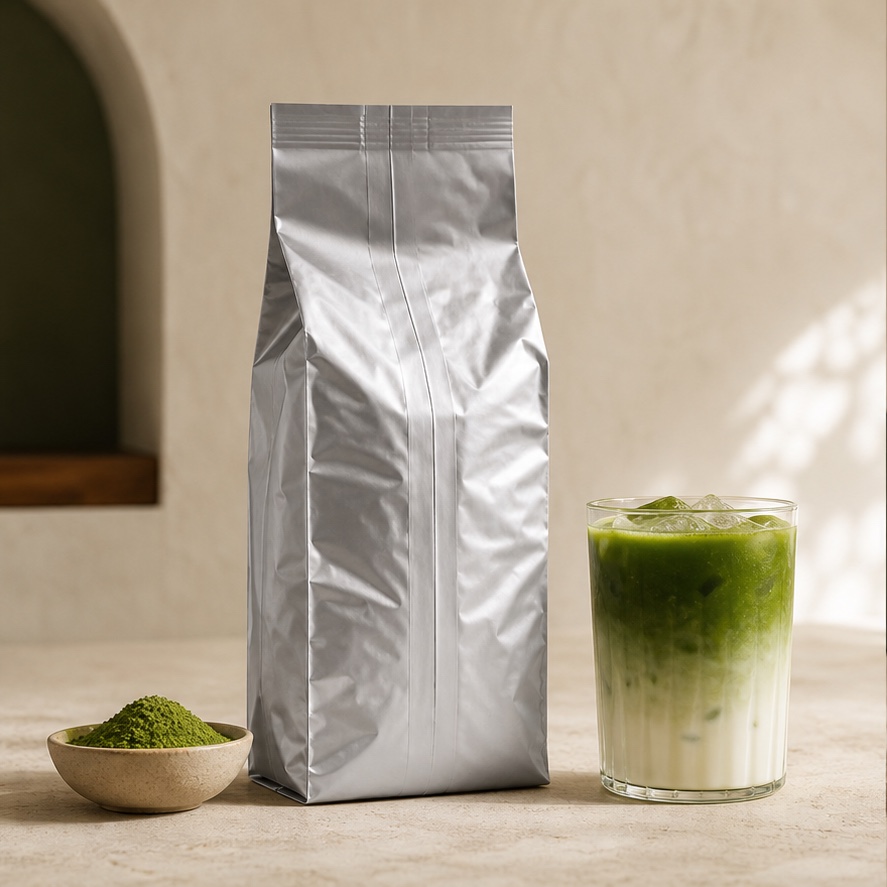
Matcha and hojicha for latte programs.

Test against your house milk, sweetener, temperature, and service sequence. The right sample plan should make the bar workflow visible before a larger purchase.

  • Hot and iced drink comparison
  • Milk visibility and sweetness balance
  • Cup count, menu price, and usage estimate
Desserts

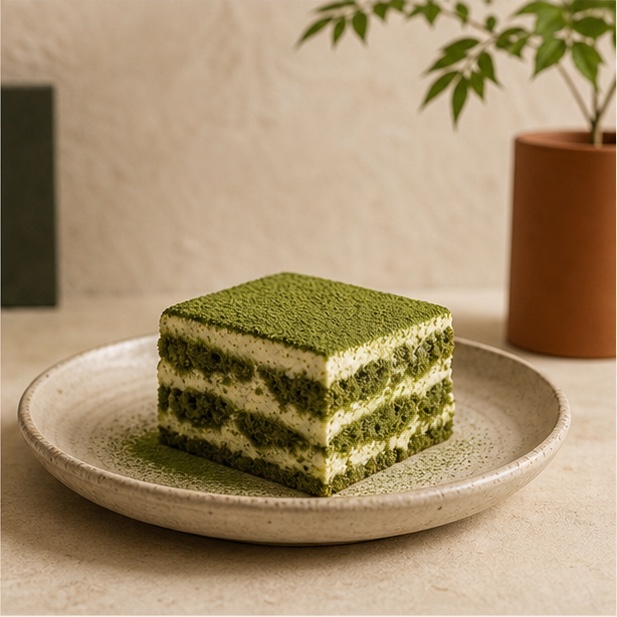
Powder behavior in the actual recipe.

Dessert buyers need to see color, taste, mixing behavior, and cost per batch in their real process.

  • Cakes, tiramisu, cookies, creams, and dusting
  • Flavor strength after fat, sugar, and heat
  • Recipe notes for repeat production
Soft serve

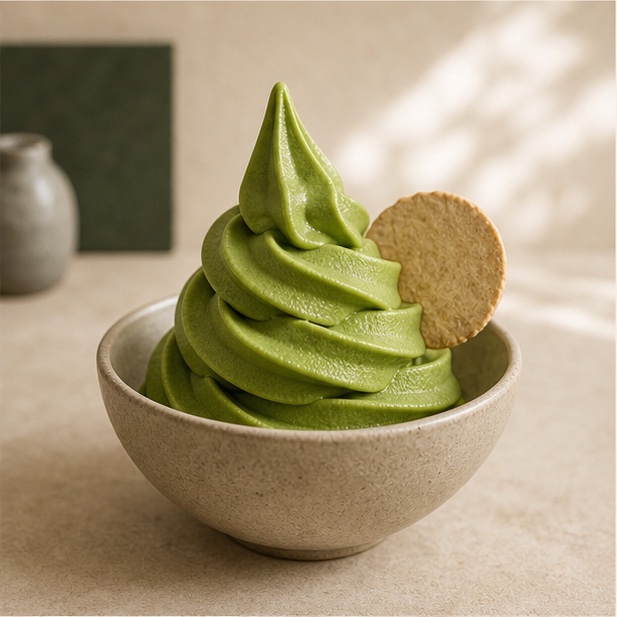
Tea character that holds in frozen service.

Soft serve and frozen dessert teams need a practical test for mix-in strength, texture, color, and repeatable prep.

  • Base mix compatibility
  • Flavor hold after freezing
  • Usage planning by batch size
Cocktails and mocktails

Cold beverage builds with balanced tea presence.

Beverage teams can test matcha or hojicha in spirit-free and bar formats without making a public claim about a fixed product path.

  • Cold dilution and settling check
  • Sweet, citrus, dairy, and non-dairy balance
  • Prep notes for service consistency
Hospitality tea service

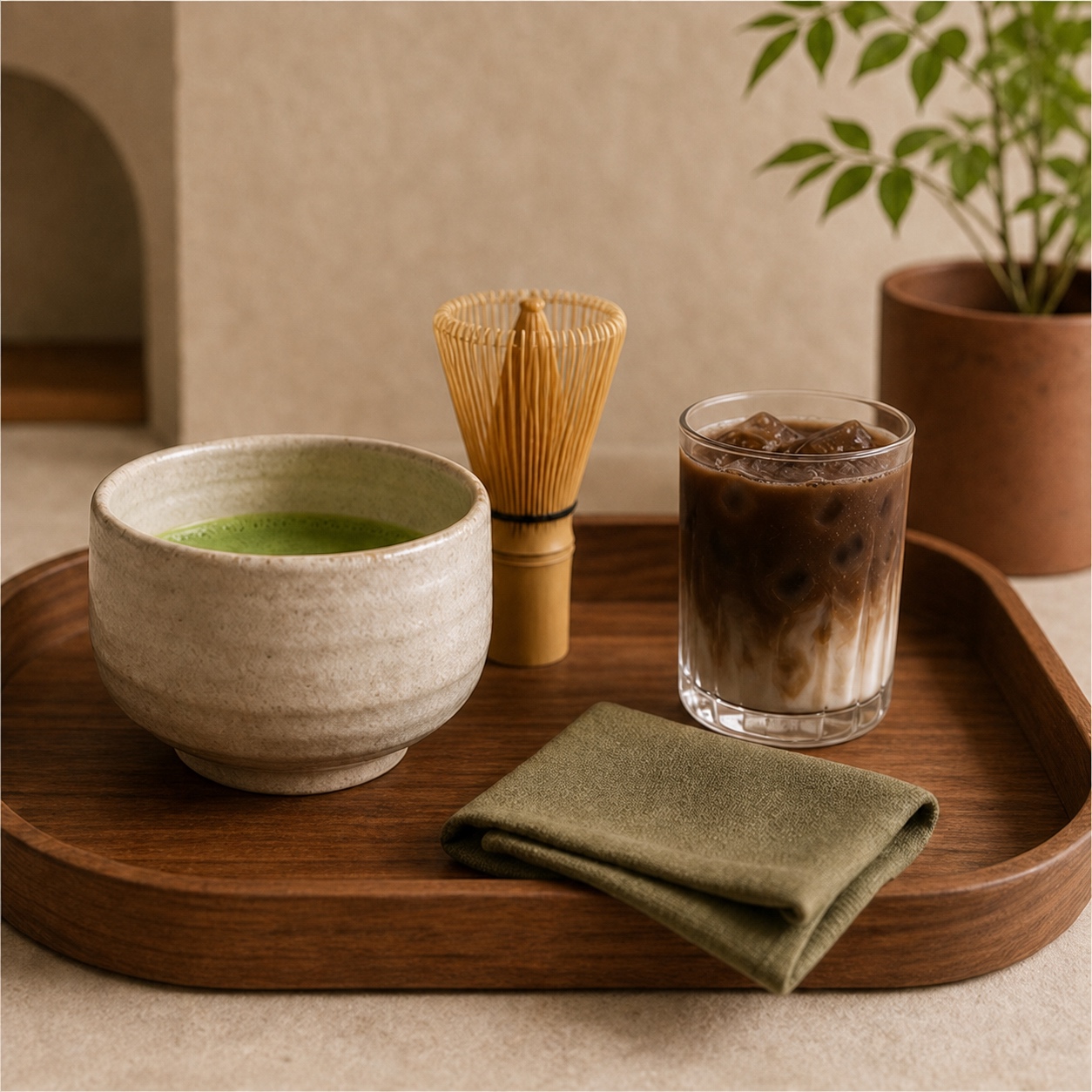
Guest-facing service with clear prep expectations.

Hotels, caterers, and event teams need a service format that can be trained, repeated, and documented for the buyer review.

  • In-room, event, catering, or table service format
  • Equipment and staff training needs
  • Documentation needs for the buyer team
Next step

Turn the use case into a sample plan.

Share the intended menu use, monthly volume, current supplier, target date, and sample shipping city so the review starts with the right constraints.

Review the sample path