
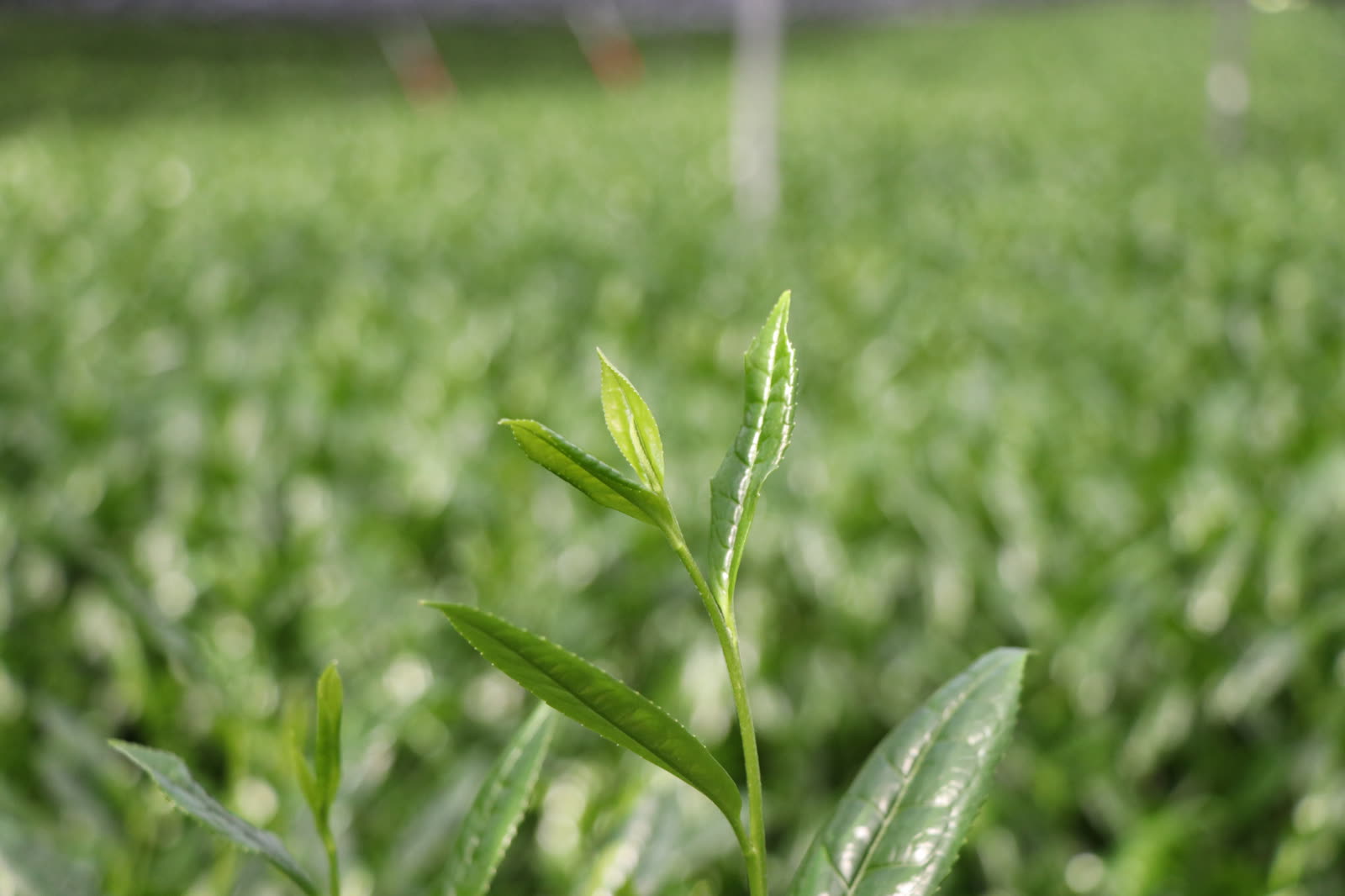
01 · Plant
Begin with field and cultivar.
A cultivar is the named plant variety. Climate, soil, pruning, and producer choices shape the leaf before processing begins.
Wholesale matcha and hojicha for foodservice.
See how sampling worksOrigin · tradition · cultivar
Matcha begins in the field, continues through tencha making and careful finishing, then reaches the bowl as part of a living tea culture. Understanding that path helps us ask better questions about every tea we review.
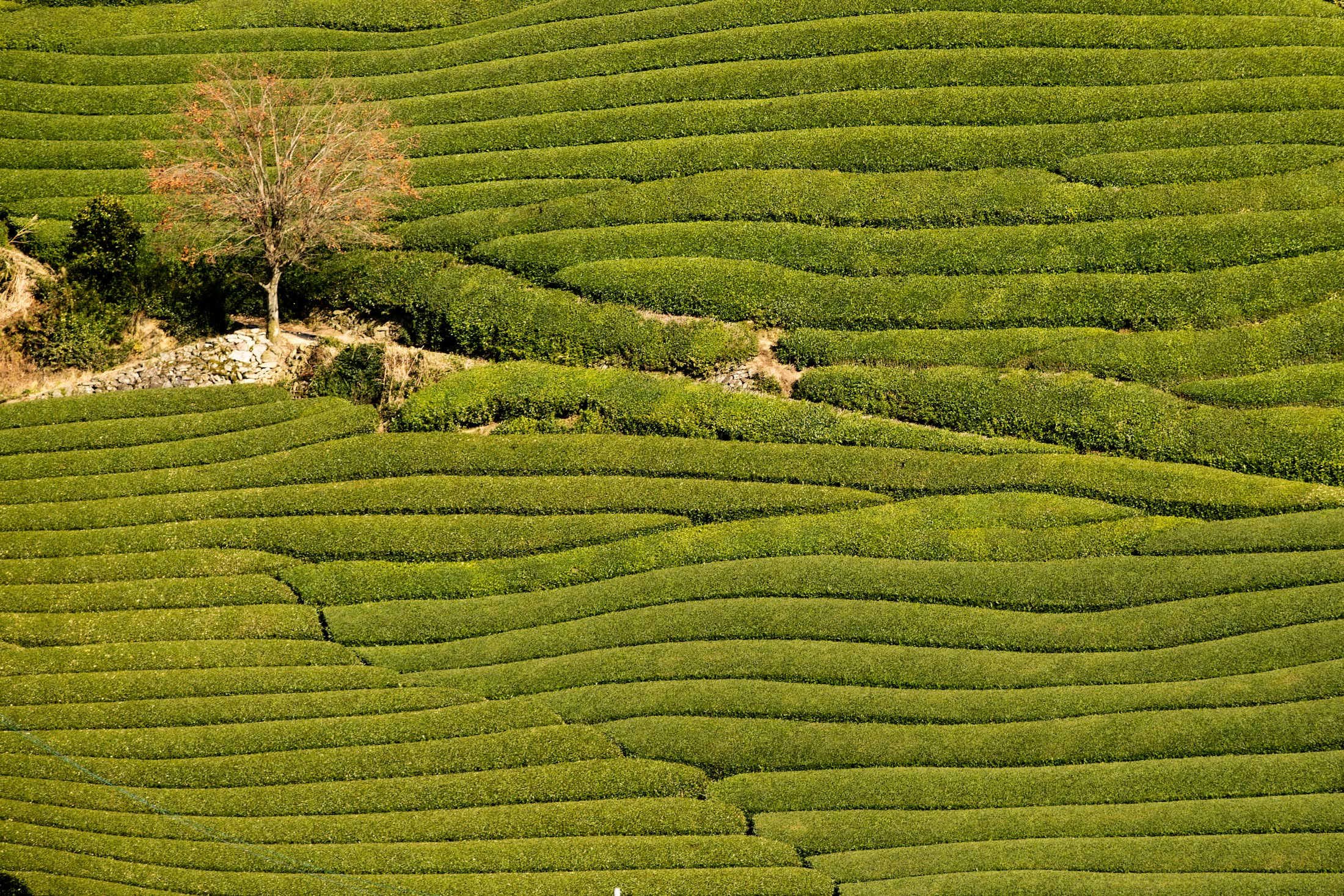
Tradition + culture
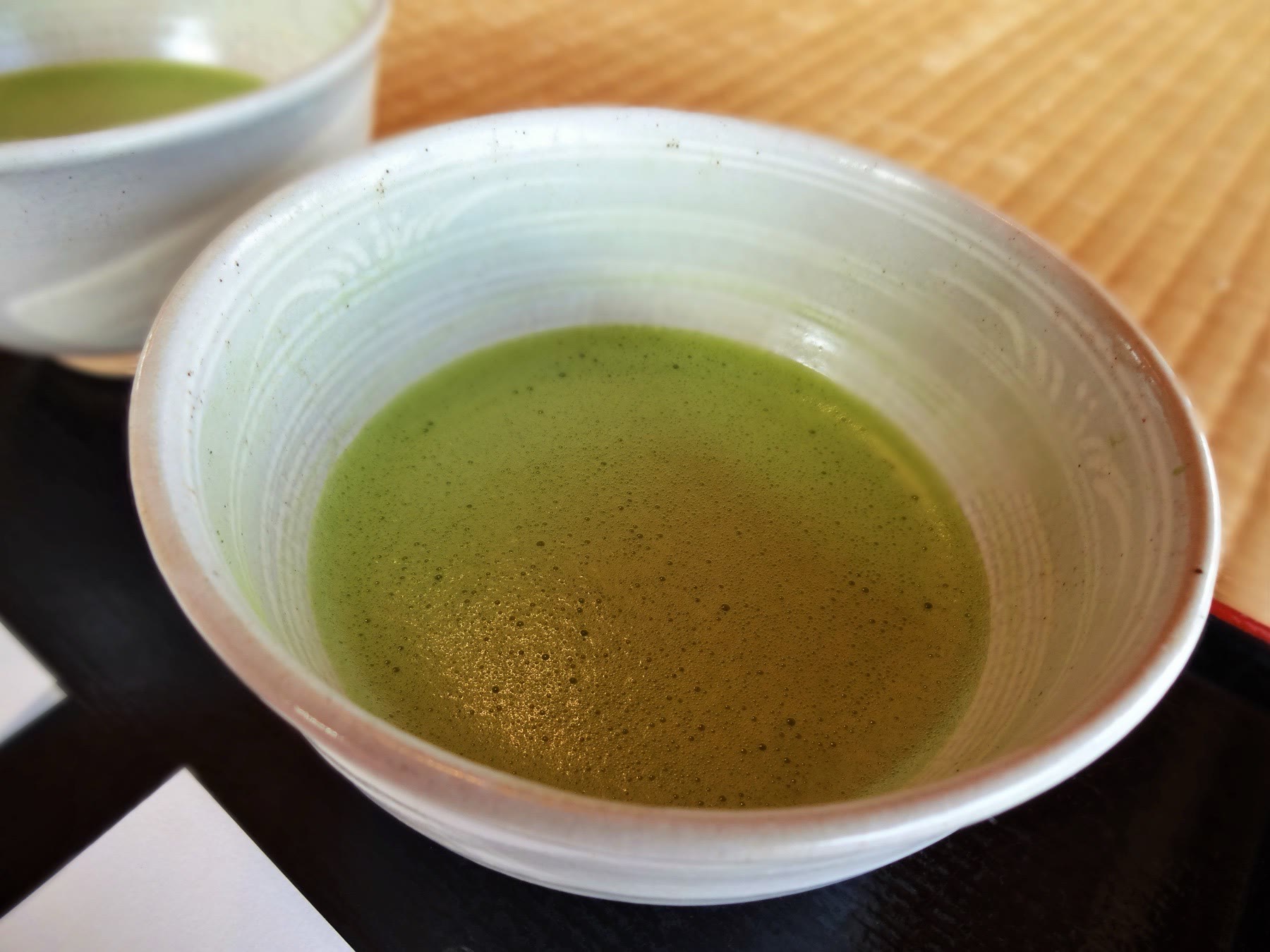
Uji tea grew through generations of agricultural and processing practice. Chanoyu carried matcha into a broader culture of seasonality, utensils, movement, and attention to the guest.
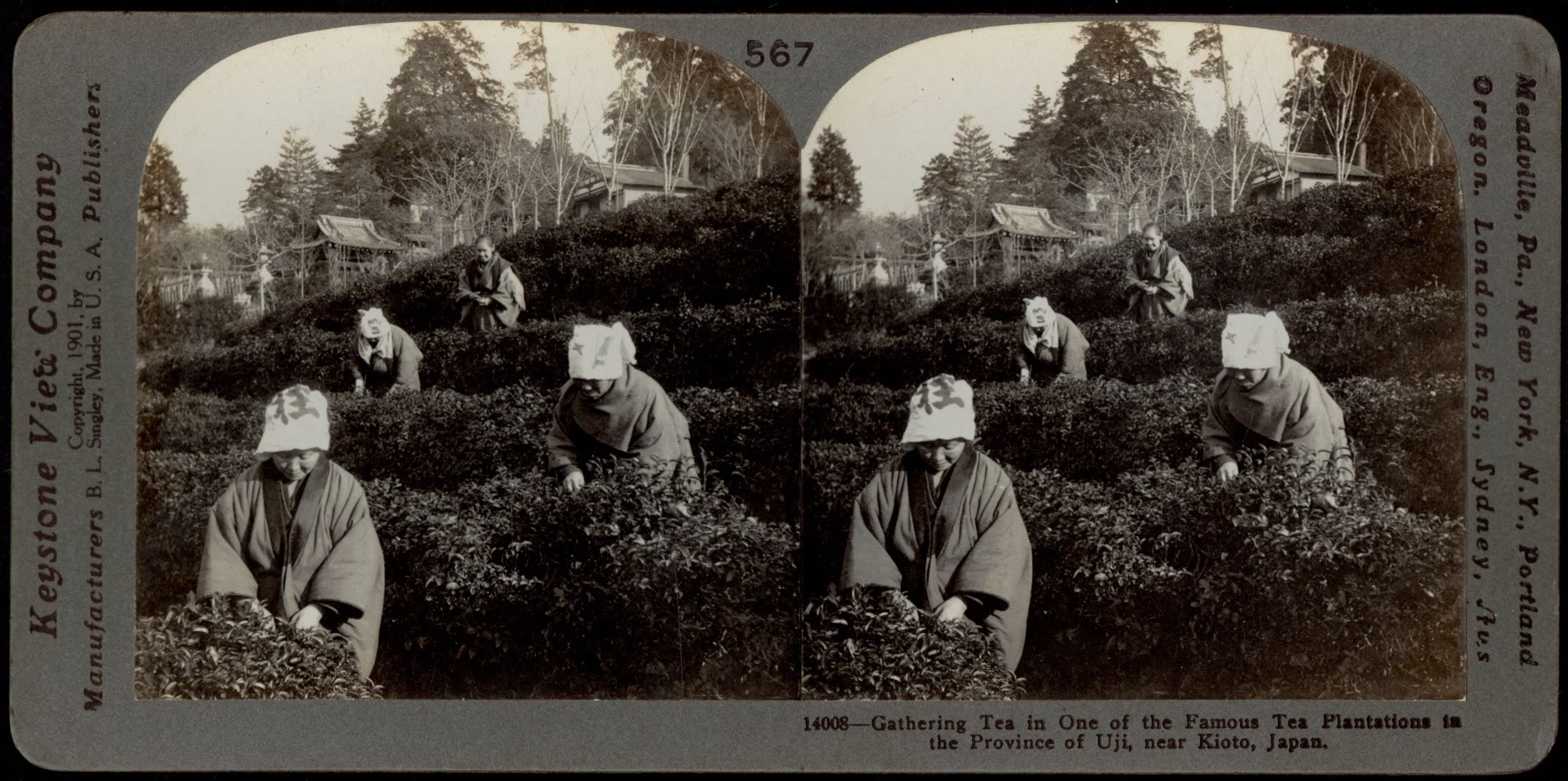
The historical image is not a claim that every modern tea is made the same way. It is a reminder that origin is made of people, knowledge, and work, not just a place name on a package.
Tea becomes culture when the leaf, the tools, and the welcome are considered together.
Growing + making
Matcha is powdered tea, but the process starts long before milling. These stages describe Japanese tencha production in general; the details vary by producer and lot.
A cultivar is the named plant variety. Climate, soil, pruning, and producer choices shape the leaf before processing begins.
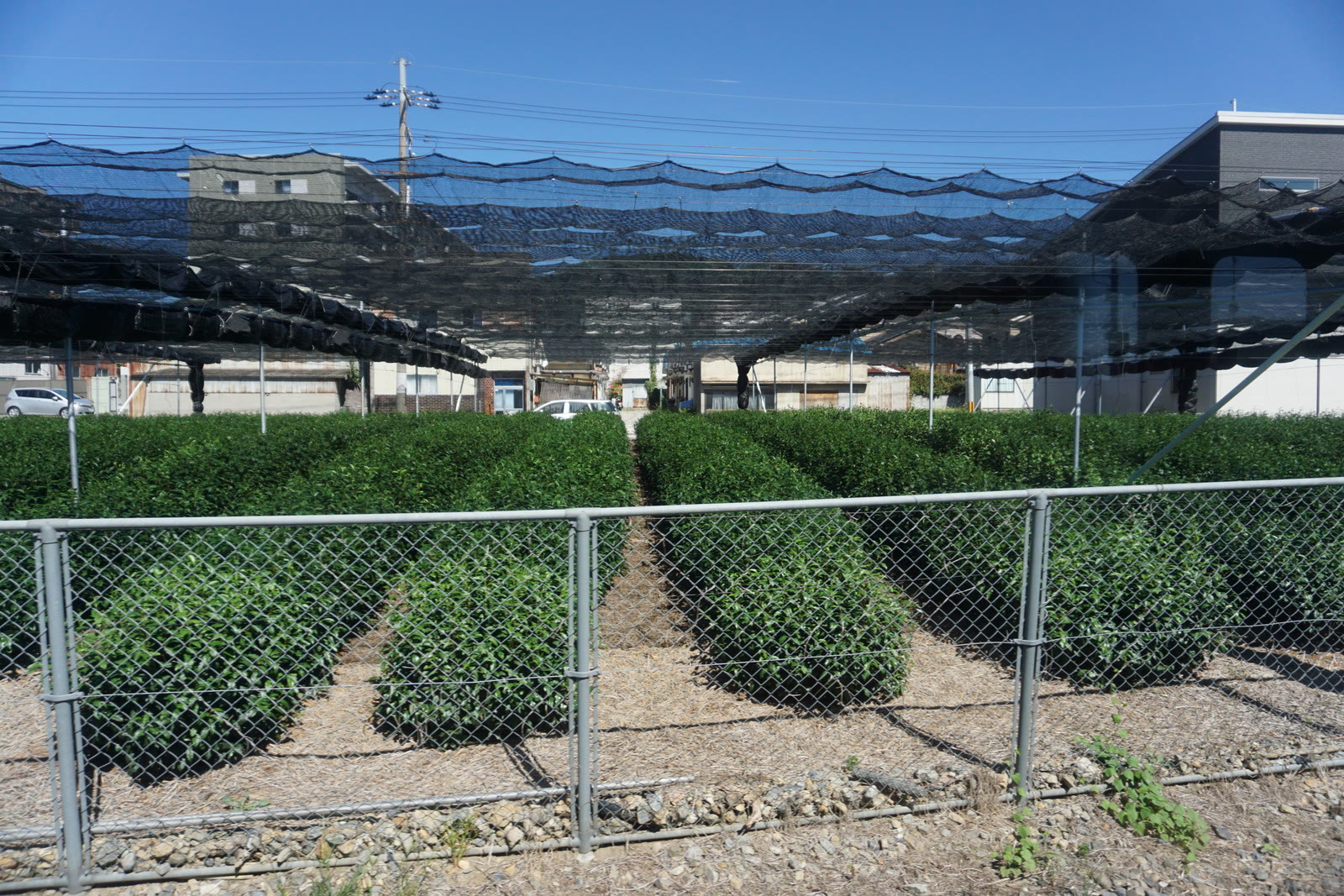
Tea intended for tencha is covered before harvest. The timing and covering method are production details to confirm for the exact tea.
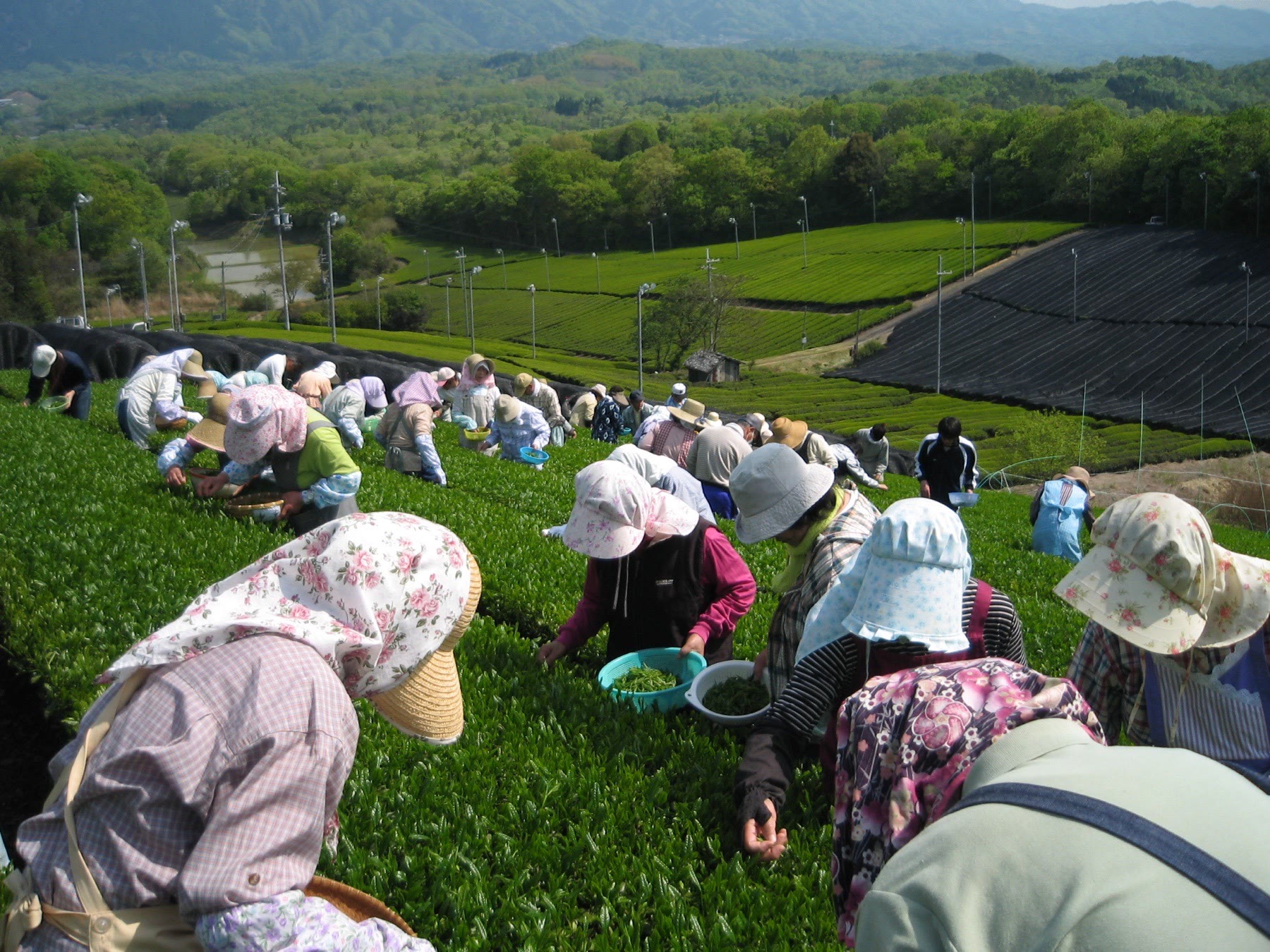
Harvest timing and picking method add another layer of identity. The exact season, date, and method belong in the product record, not in assumptions based on a region name.
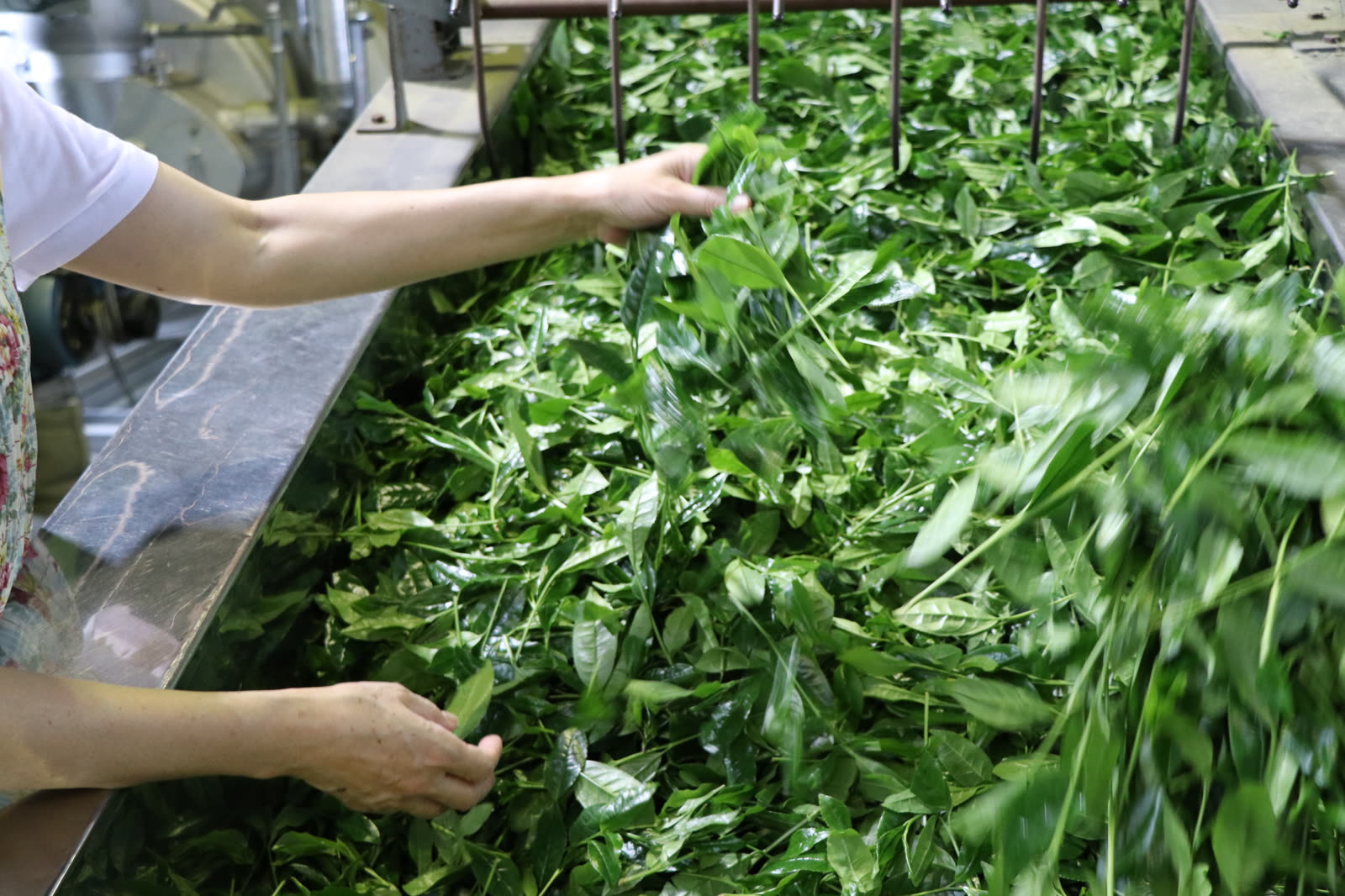
Fresh shoots are harvested, steamed to stop oxidation, and dried without the rolling used for sencha. Stems and veins are later refined away.
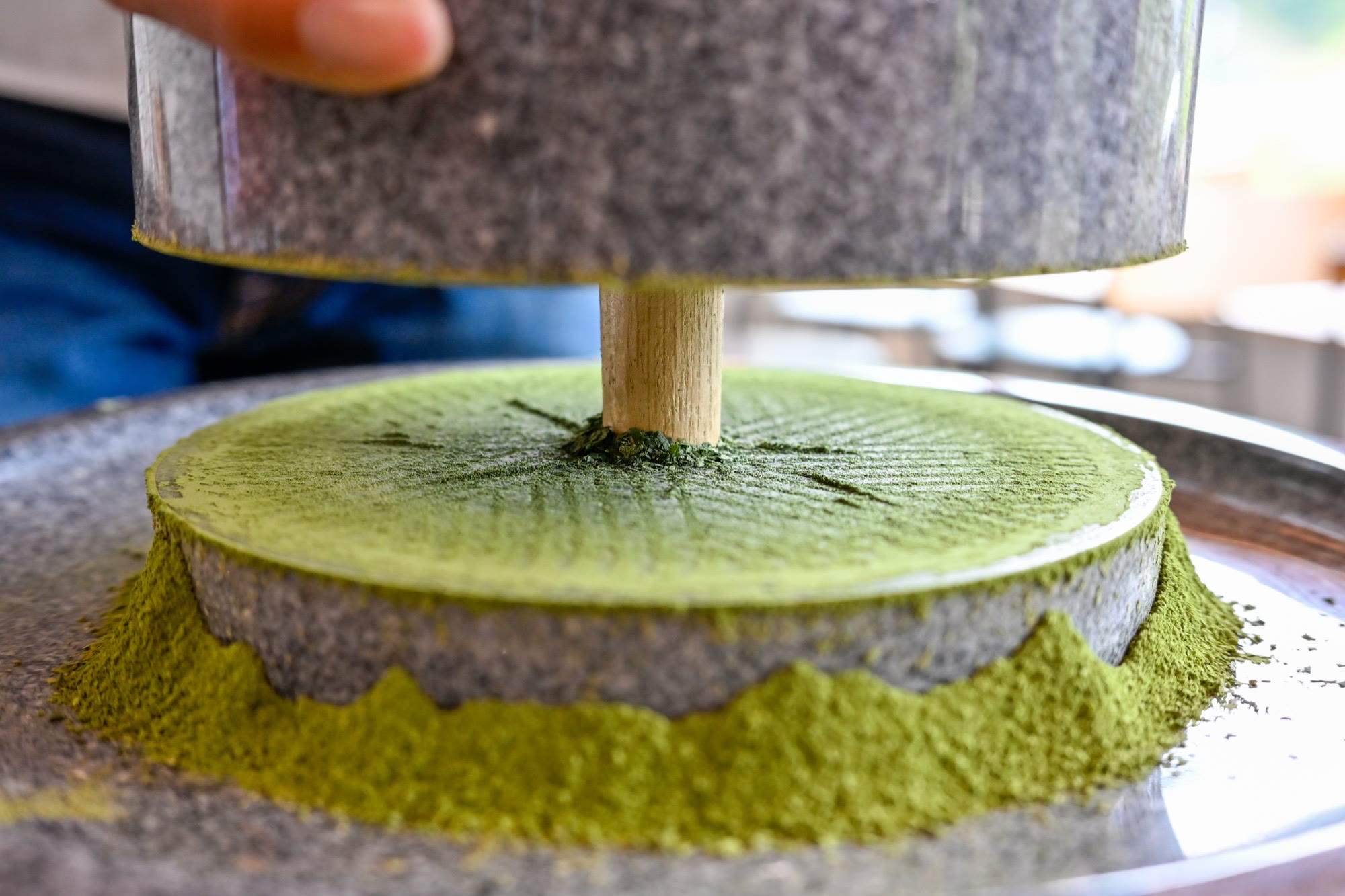
Refined tencha may be blended for a house profile, then ground into matcha. Milling, packaging, storage, and freshness all shape the finished tea.
Origin + cultivar
They are useful parts of a tea's identity, but neither one is a quality grade by itself.
A finished matcha can be single-cultivar or intentionally blended. The useful question is what the exact product contains and how consistency is managed.
One important regional nuance: Japan's Ministry of Agriculture, Forestry and Fisheries describes Uji-cha as tea made from leaves grown in Kyoto, Nara, Shiga, or Mie and processed in Kyoto using a method originating in Uji. Product-level records still matter.
Cultivar examples above are documented by Kyoto Prefecture and NARO for education. They are not current Pacific Tea Supply product specifications.
The exact tea
Tradition gives context. Product records and testing tell you what is in front of you.